Let’s work
Functional Jaw Correction

What is Corrective Jaw Surgery?

Corrective jaw surgery, also known as orthognathic surgery, is a procedure that realigns the jaws and teeth to improve function and appearance, often in conjunction with orthodontic treatment.
Orthodontics alone can correct bite problems when only the teeth are involved. Jaw surgery may also be required to reposition the facial bones when orthodontic treatment alone cannot correct this. Jaw growth is a gradual process, and in some instances, the upper and lower jaws may grow at different rates.
Side-by-side comparison of a woman's chin and neck showing a defined jawline outlined with a green dashed line and a double chin outlined with a red dashed line.
Whether the concern is congenital, developmental, or the result of trauma, orthognathic surgery can make a profound difference, not just in a person’s smile but in their overall quality of life.
At Macarthur Surgical Centre, our corrective jaw specialists take a highly tailored approach, using advanced digital planning and imaging to develop precise surgical strategies aligned with each patient’s goals and anatomy.
Procedures

Common types of jaw surgery procedures

BiMax
Bimaxillary Surgery
Lower Jaw Surgery
Mandibular Osteotomy
Upper Jaw Surgery
Maxillary Osteotomy
RME or RAME
Rapid Maxillary Expansion
Chin Surgery
Genioplasty
IDEAL CANDIDATES

Candidates for orthognathic surgery

Candidates for orthognathic surgery undergo a thorough evaluation by an orthodontist and oral and maxillofacial surgeon to determine if they are suitable for the procedure.
Careful coordination between the surgeon and orthodontist is essential to ensure that the teeth will fit correctly after the surgery. It often includes braces before and after surgery, and retainers after the final removal of braces.

Severe
malocclusions

Individuals with significant bite problems, such as overbites, underbites, crossbites, or open bites, that impact their oral function and facial aesthetics.

Facial
asymmetry

Patients with noticeable facial asymmetry due to jaw discrepancies or uneven growth of the facial bones.

Impacted
teeth

Individuals with significant bite problems, such as overbites, underbites, crossbites, or open bites, that impact their oral function and facial aesthetics.

Breathing
problems

Patients with obstructive sleep apnea or other breathing difficulties caused by a narrow or obstructed airway due to jaw misalignment.

Temporomandibular
Joint (TMJ) Disorders

Individuals experiencing chronic jaw pain, clicking or popping of the jaw joint, or difficulty opening and closing the mouth due to jaw misalignment.

Difficulty chewing
or speaking

Patients who have difficulty chewing food properly, speaking clearly, or experiencing discomfort during oral functions due to jaw misalignment.

Facial
trauma

Individuals who have experienced facial trauma, such as fractures or injuries to the jaw, that have resulted in malocclusion or facial asymmetry.

Dental crowding
or spacing

Patients with severe dental crowding or spacing issues that cannot be addressed with traditional orthodontic treatment alone.
Benefits

How does the candidate benefit from a jaw surgery?

Orthognathic surgery offers a wide range of benefits that go beyond cosmetic enhancement. It is both a functional and aesthetic solution that can significantly improve a patient’s quality of life.

Our corrective jaw specialists focus on delivering positive outcomes through careful surgical planning and precision.

scroll down to explore
Functional Benefits
Functional Benefits
1
Improved bite and chewing efficiency
2
Enhanced speech clarity
3
Better breathing
4
Relief from jaw pain and TMJ disorders
5
Reduced tooth wear
Blonde woman with eyes closed, resting her chin on her hand, wearing a white tank top against a gray background.
Side profile of a woman with blonde hair touching her chin and looking upward against a gray background.
Aesthetic Benefits
Aesthetic Benefits
1
Improved facial balance and harmony
2
Correction of facial asymmetry
3
More confident smile
Surgical Specialists

Who performs this type of surgery?

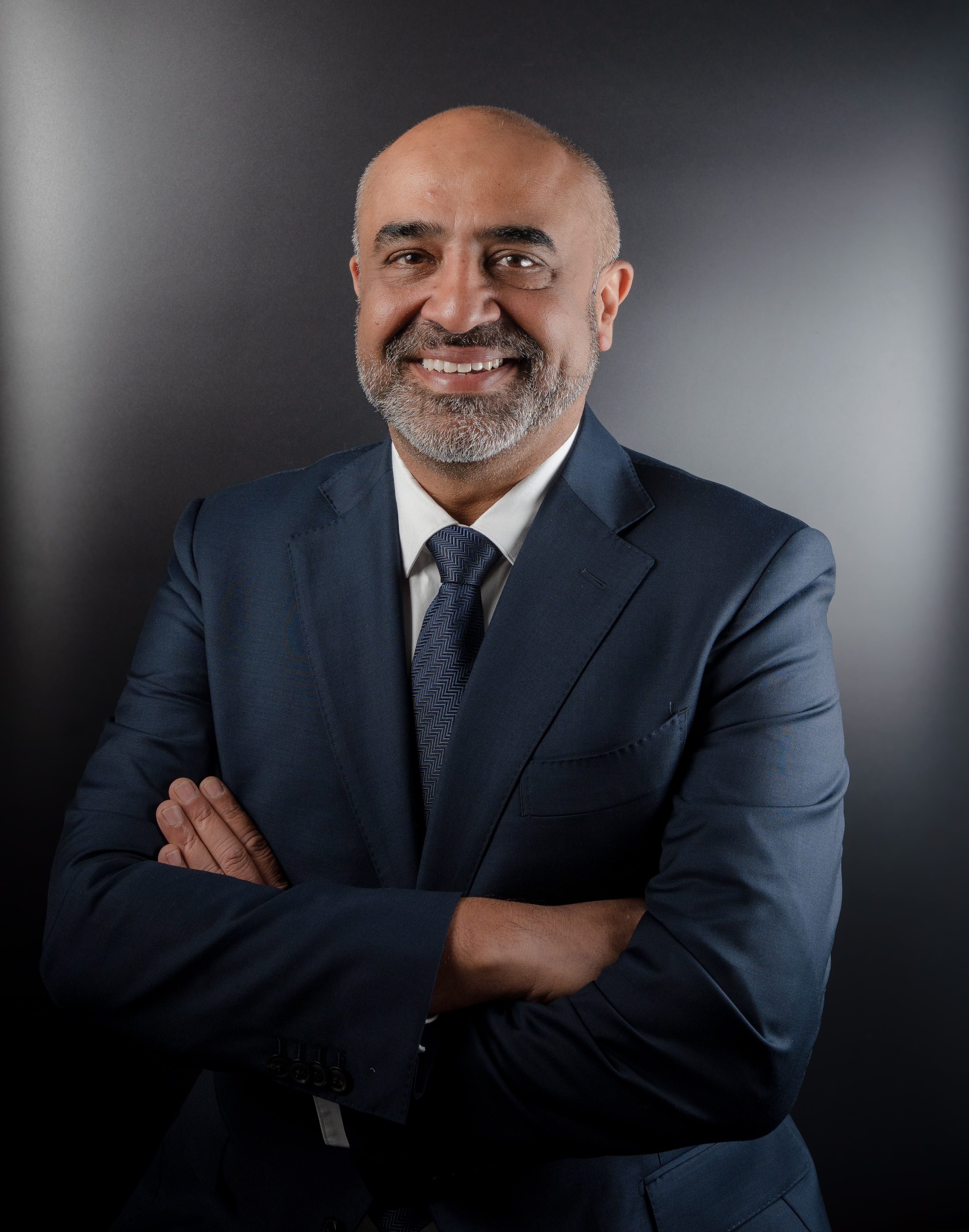
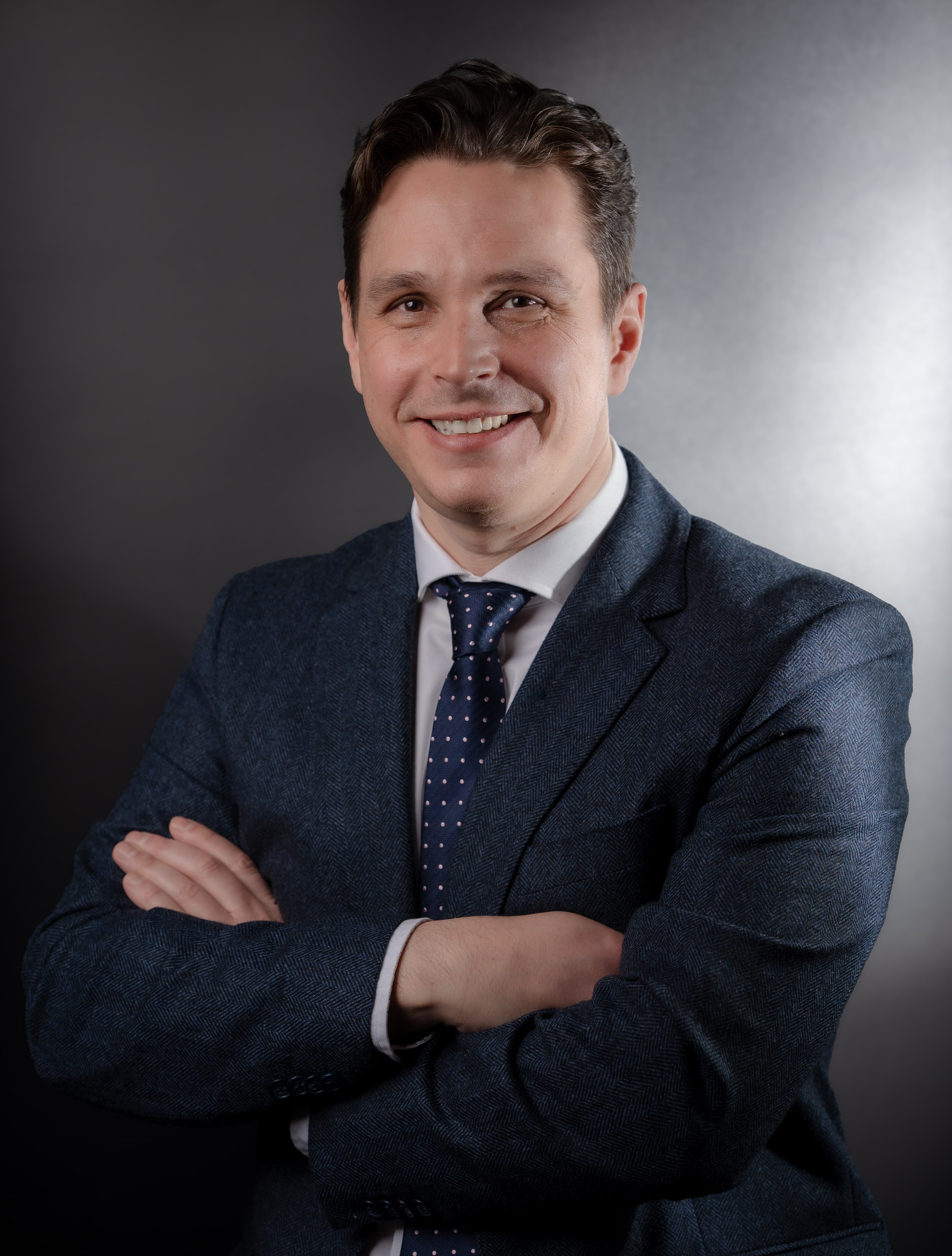
Orthognathic (jaw) surgery is performed by a Specialist Oral and Maxillofacial Surgeon (OMFS).
These oral and maxillofacial surgeons are uniquely qualified because they are dual-trained in both medicine and dentistry, giving them an in-depth understanding of the teeth, jaws, facial bones, and soft tissues. After completing dental and medical degrees, they undergo several additional years of hospital-based surgical training focused on facial surgery.
Our surgeons work closely with your orthodontist to ensure a coordinated treatment plan, both before and after surgery, to align the teeth properly, ensuring the bite fits well with the new jaw positions.
OUTLINE

What are the steps leading up to surgery?

Modern office with a long wooden table, blue chairs on one side, a white chair on the other, a computer, phone, and shelves with books and skull decorations.
Consultation
Consultation
Your first appointment will involve a thorough medical history review and physical examination, which includes reviewing the information provided by your referring dentist or orthodontist and your imaging studies (CT scans, X-rays). A personalised treatment plan and costing will be issued at the end of the consultation by our corrective jaw specialists.
Planning and Preparation
Your first appointment will involve a thorough medical history review and physical examination, which includes reviewing the information provided by your referring dentist or orthodontist and your imaging studies (CT scans, X-rays). A personalised treatment plan and costing will be issued at the end of the consultation by our corrective jaw specialists.
Computer screen displaying 3D and X-ray dental images with a person's hand using a mouse nearby on a desk.
Recovery Timeline

What to expect after jaw surgery?

Person in striped pants and white sweatshirt sitting cross-legged on a knitted blanket, holding a mug topped with whipped cream and cinnamon.
Immediate recovery (first 1–2 weeks)
Short-term recovery (2–6 weeks)
Long-term recovery (3–6 months)
Smiling woman seated with a healthcare professional showing her a brochure in a clinical setting.
What Sets Us Apart

Why doctors refer and patients trust

Respected Surgical Leaders

Our surgeons are nationally recognised for their experience, leadership, and clinical education in oral and maxillofacial surgery.

Built on Referrals

As a trusted referral-based practice, we work in close partnership with doctors, dentists, and orthodontists to deliver consistent results and high patient satisfaction.

Patient-Centred Approach

We provide clear communication, evidence-based care, and treatment options that always reflect the best interests of the patient.

Advanced Surgical Planning

With in-house CBCT imaging, 3D scanning, and digital planning, we ensure greater accuracy, efficiency, and safer outcomes.

Integrated, Modern Facility

Our purpose-built centre is designed to offer a calm, professional environment with comfort-focused features like music therapy and sedation services.

Continuity and Care Beyond the Procedure

We check in with every patient after surgery and support their recovery with care that extends beyond the clinic.
Our Process

Ready to start a consultation?

How it works
Do you already have a referral letter?
How it works
1
Step One
2
Step Two
3
Step Three
Our Partners

We’re proud to collaborate with Australia’s leading institutions

Our team of highly skilled surgical dentists and specialists is proud to collaborate with leading universities, hospitals, and respected affiliations, underscoring our commitment to excellence and elevating the standard of patient care in Oral and Maxillofacial Surgery.
Logo with text 'Accessible New South Wales' and a stylized golden checkmark beneath the word 'Accessible'.ANZAOMS logo with a blue shield featuring a stylized lion and Southern Cross stars, labeled as Full Member 2024/2025 of the Australian and New Zealand Association of Oral & Maxillofacial Surgeons.CBL logo featuring teal stylized letters with dark blue text.Logo for Sydney Children’s Hospitals Network Randwick with colorful, playful text.The Prince of Wales Hospital emblem featuring a blue shield with three white feathers and three open books above.Campbelltown Private Hospital logo with a circular teal swirl graphic.Nepean Private Hospital logo.Royal Australasian College of Surgeons wordmark with a detailed heraldic crest featuring a lion and crown on the left.Australian Medical Association logo with AMA initials and a medical staff symbol.Logo of Camden Surgical Hospital featuring stylized letters C, S, and H in orange forming a cross shape.
Modern reception area with marble desk, long beige cushioned bench, round metal coffee table with candles and orchid, and potted plant.Modern dental clinic reception area with a curved white desk, curved brown sofa, round ottomans, wooden flooring, and wall-mounted TV.
OUR LOCATIONS

Where we practice

Macarthur Surgical Centre

104/1 Centennial Drive,
Campbelltown NSW 2560
next:location 02
(01/02)

Dr Jasvir Singh only

Specialist Dental Centre

24 Colless Street
Penrith, NSW 2750
next:location 01
(02/02)
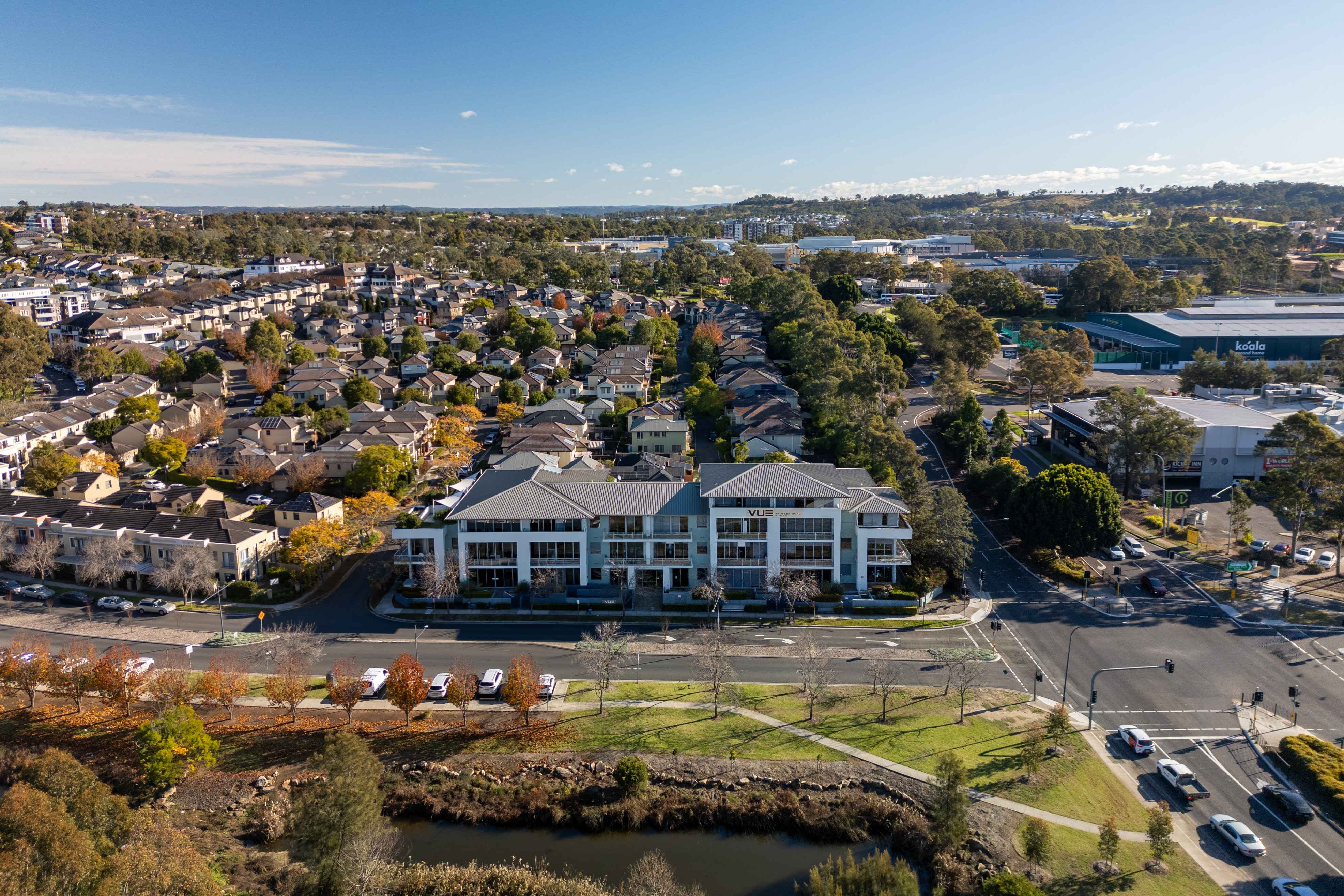
Macarthur Surgical Centre is located within the VUE building in Campbelltown. If driving:
  • Basement Parking
There is a secure basement car park located beneath the VUE building for patient use.
  • Street Parking
Additional street parking is available along Centennial Drive.
For the most accurate and up-to-date information on public transport options, please visit Transport for NSW's official website.
  • By Train
Take the T8 Airport & South Line to Macarthur Station. From there, it's approximately a 30-minute walk to the centre. Alternatively, you can take a short bus or taxi ride from the station.
  • By Bus
Several bus routes service the area. The nearest bus stop is located along Centennial Drive, just a short walk from the VUE building. For detailed bus schedules and routes, please refer to the Campbelltown and Camden bus network map.
For patients or family members traveling from out of town, accommodation options nearby include:
  • Rydges Campbelltown
A modern hotel with comfortable amenities, located about 5 minutes' drive from the centre.
  • Quest Campbelltown
Serviced apartments ideal for longer stays, also 5 minutes' drive away.
  • The Hermitage Motel
A budget-friendly option located within a short drive of the centre.
  • Building Entrance
A wheelchair ramp is available at the building entrance.
  • Parking
Designated disability parking spots are located in the basement car park.
  • Elevator Access
A lift from the basement car park provides direct access to the centre.
FAQ

Corrective Jaw Surgery frequently asked questions

What does the surgery involve?
How long will I need to take off work or school?
How long does it take to heal completely?
CONTACT US

Get tailored information

about our services

Make an online enquiry

Click the button below to fill out the form
and a member of our team will be in touch.

Patient-focused care

Patient Focused Care

Integrating the latest advancements in technology